The Journey
Curiosity, broken systems, and the things I built to fix them.
From Worms to Brains
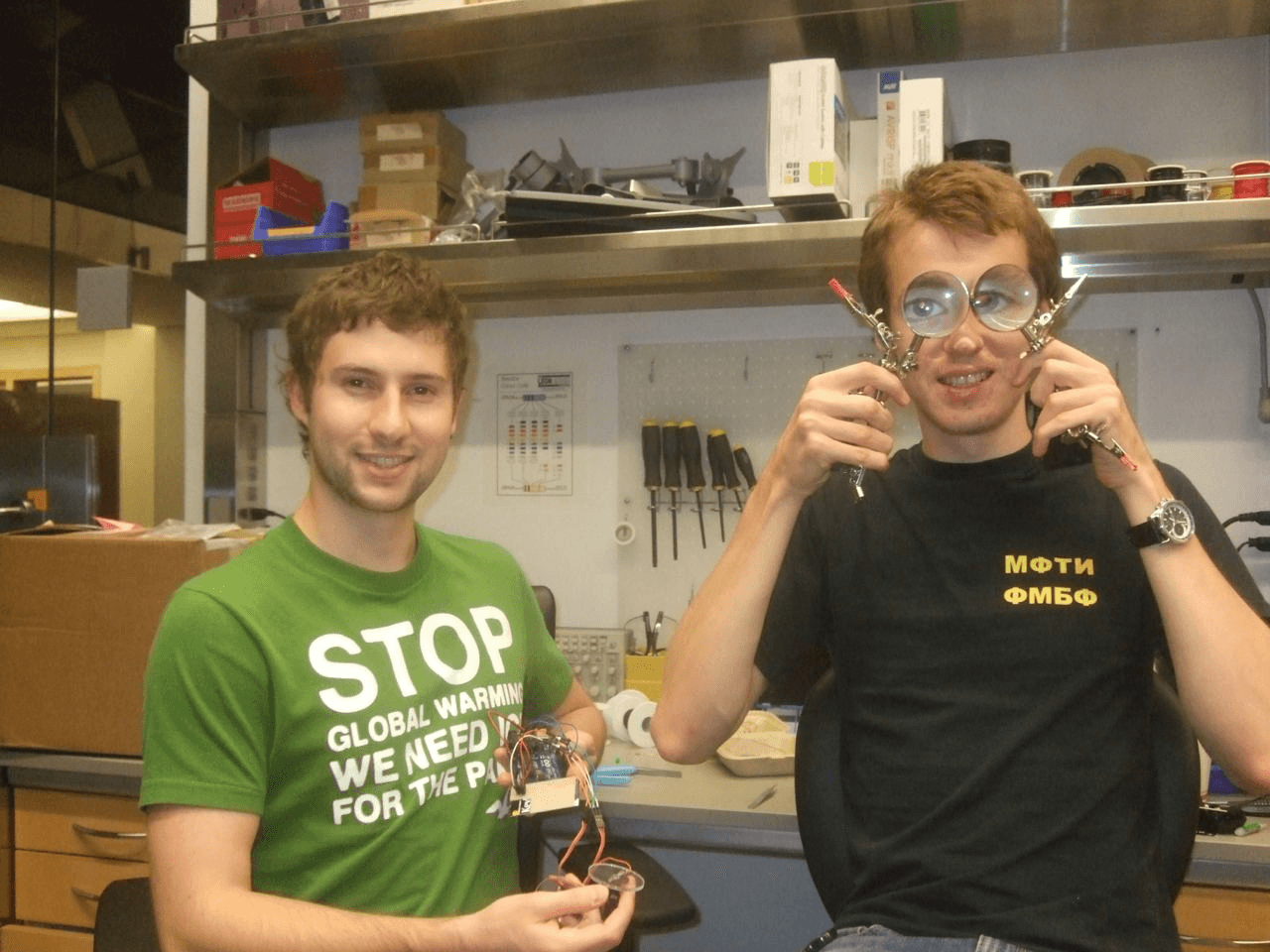
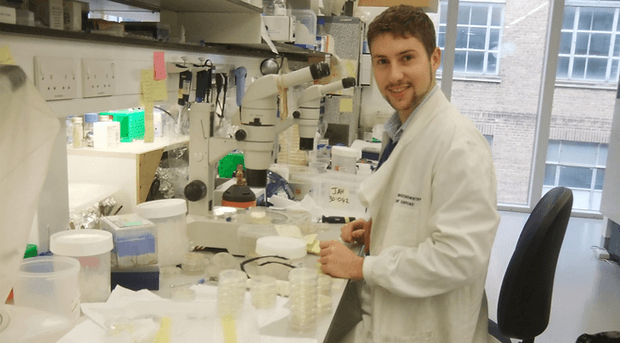
I started in molecular biology at sixteen because I couldn’t stop asking how things worked. C. elegans worms at the University of North Texas, then solar panels, ocean acidification, computational neuroscience, biomedical engineering. Princeton undergrad, an Oxford DPhil in machine learning and cancer imaging. I left the DPhil because academia was too slow to make a tangible impact. Science taught me how to find answers and how to sit with not having them.
Games That Save Lives
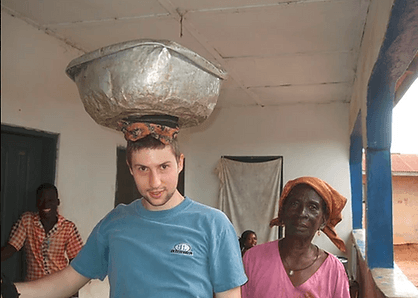
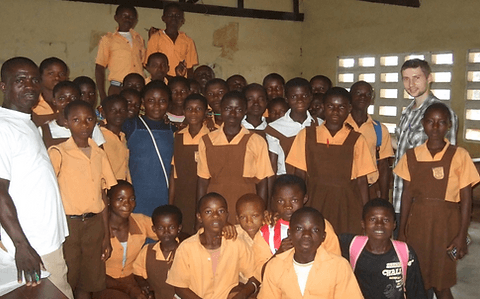
In Humjibre, a village in western Ghana, children were dying from malaria and diarrhea. Diseases we already knew how to prevent. With a Princeton global health scholarship, I designed game-based lessons and brought them into the classroom. The games improved retention, but the bigger lesson was structural: people already knew the information. Their circumstances made it hard to follow best practices. People are a function of their environment and habits, and that matters more than what they know. That insight rewired everything that came after.
PiCreate
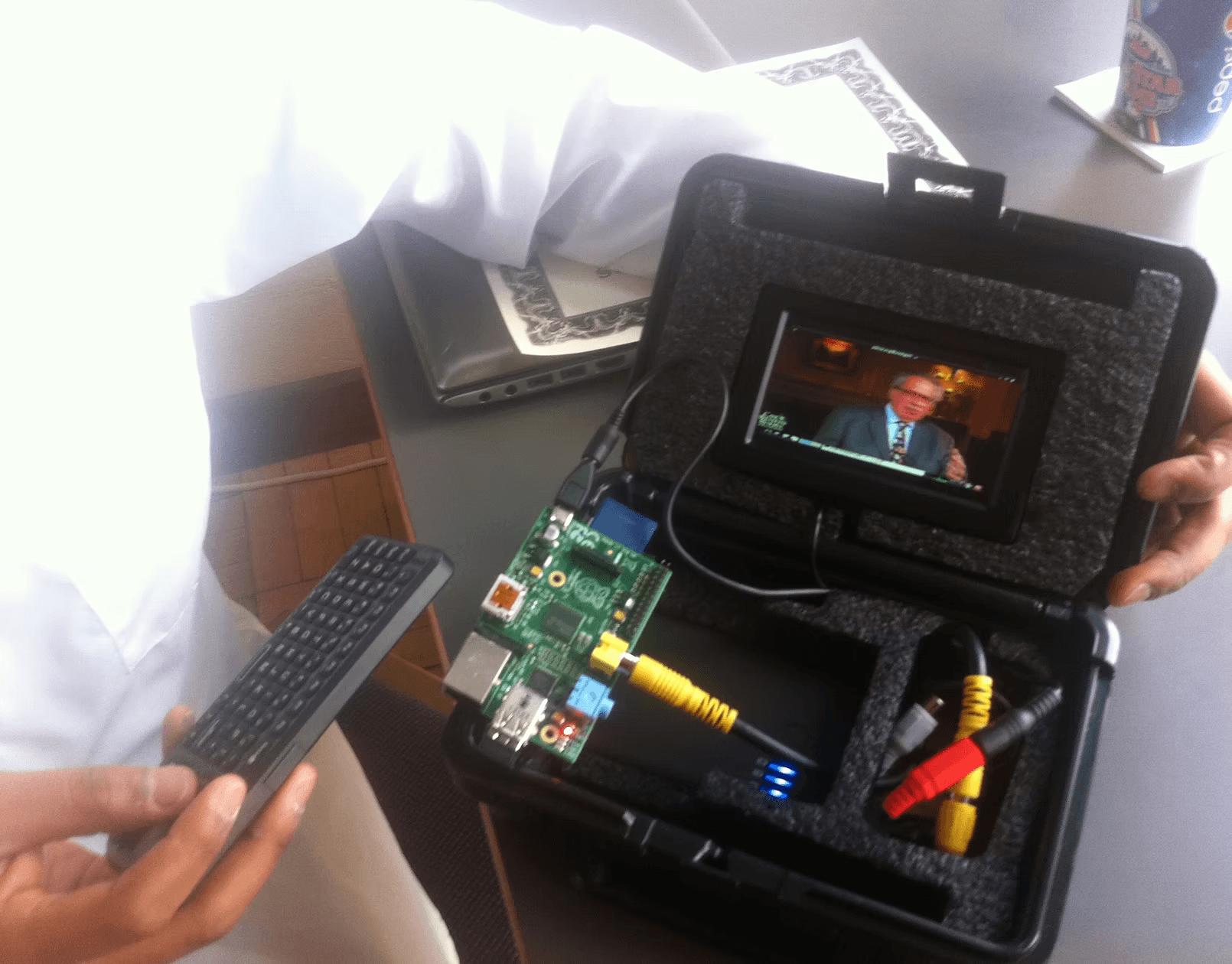
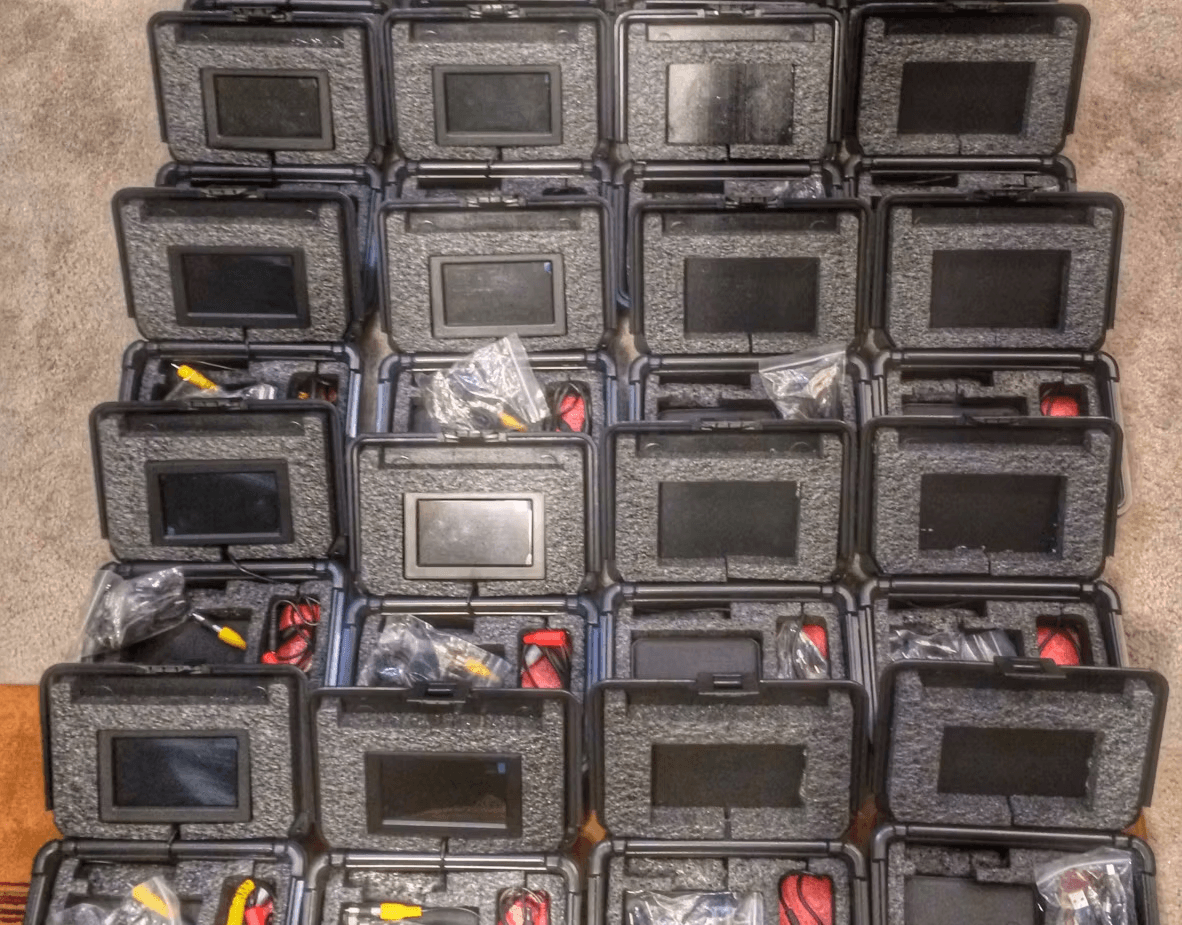
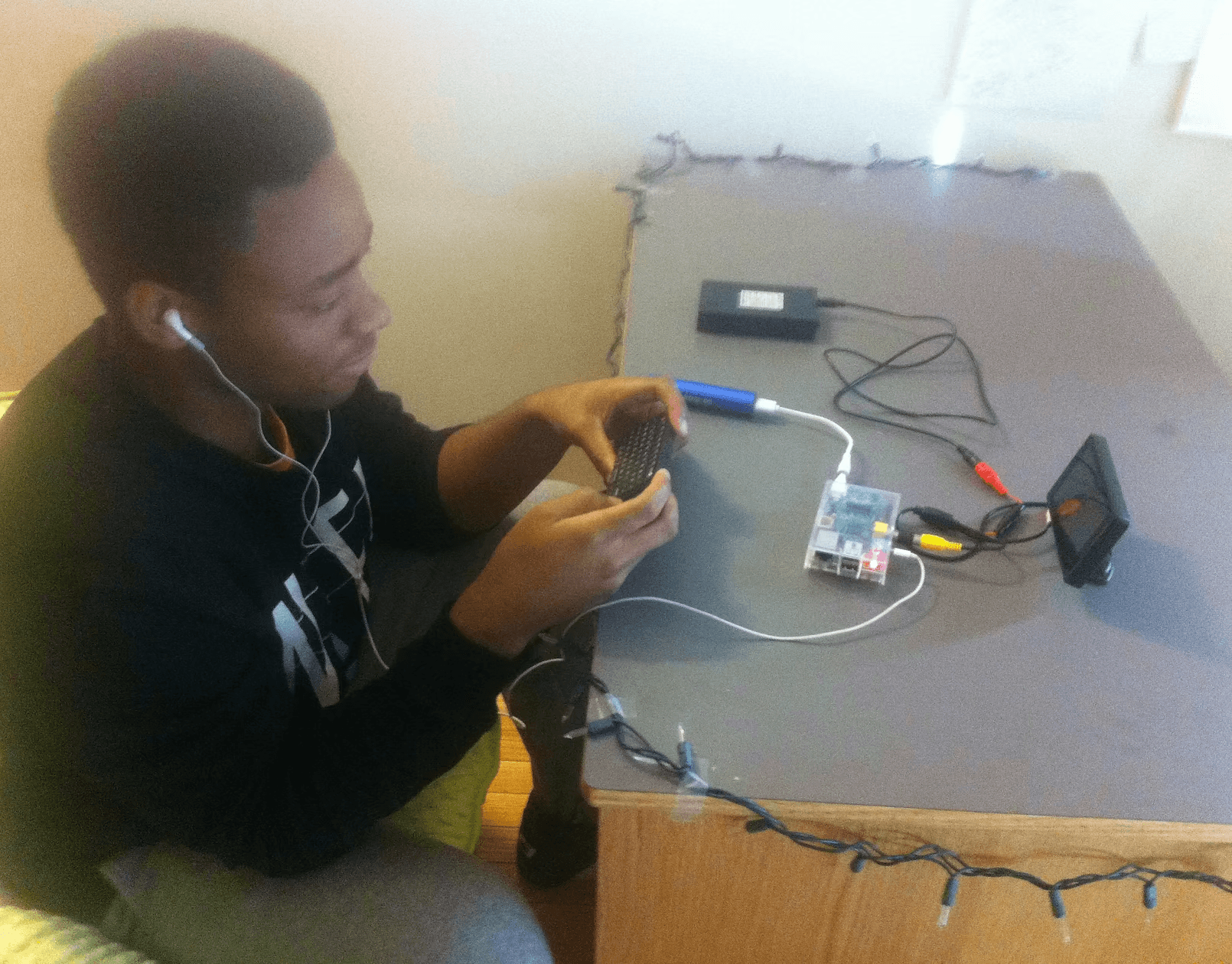
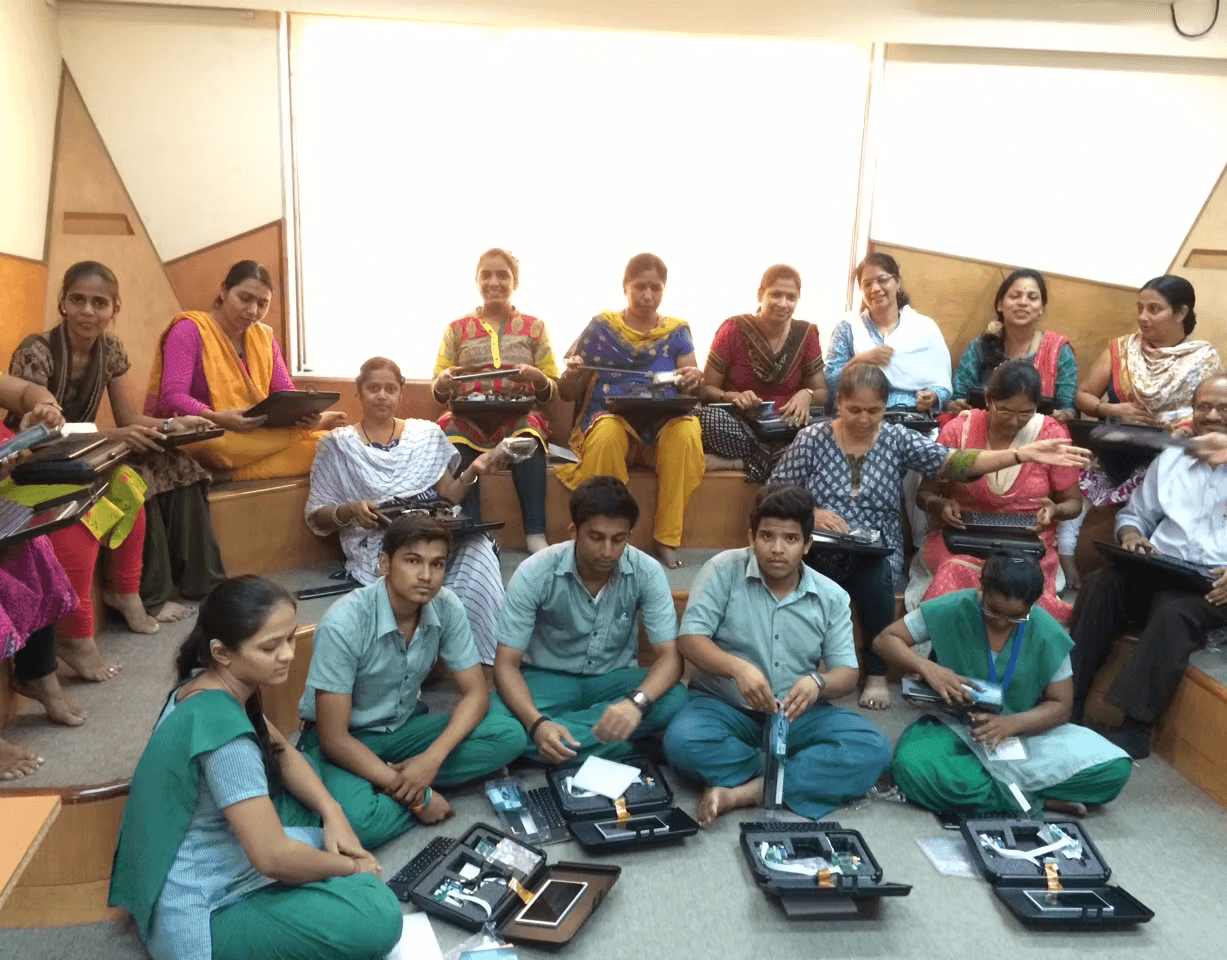
PiCreate started as a pedal-powered generator for off-grid communities in Africa. When the Raspberry Pi came out, I realized we could power it from the generator and give people not just electricity but a computer. The generator proved too hard to build, so we focused on the computer. A Raspberry Pi in a rugged case with a small screen, keyboard, and cables. We deployed it in classrooms from Kenya to India, learning what worked before designing the product that would ship worldwide.

Piper
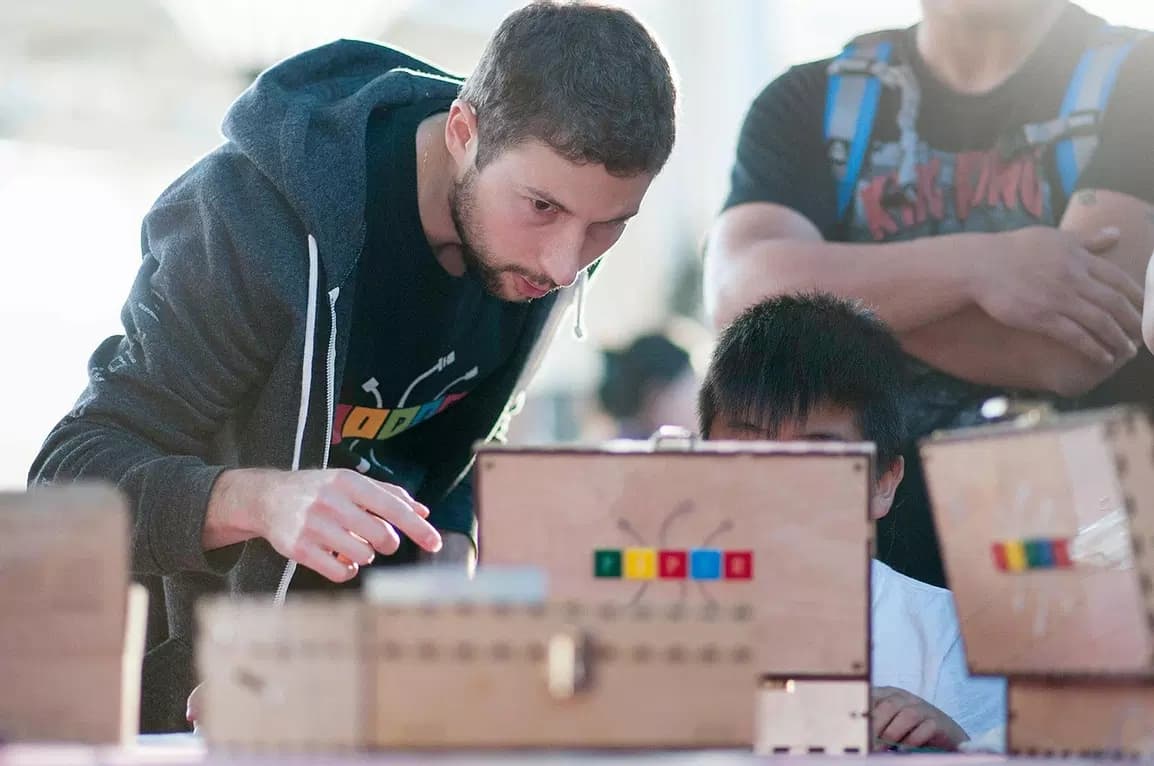
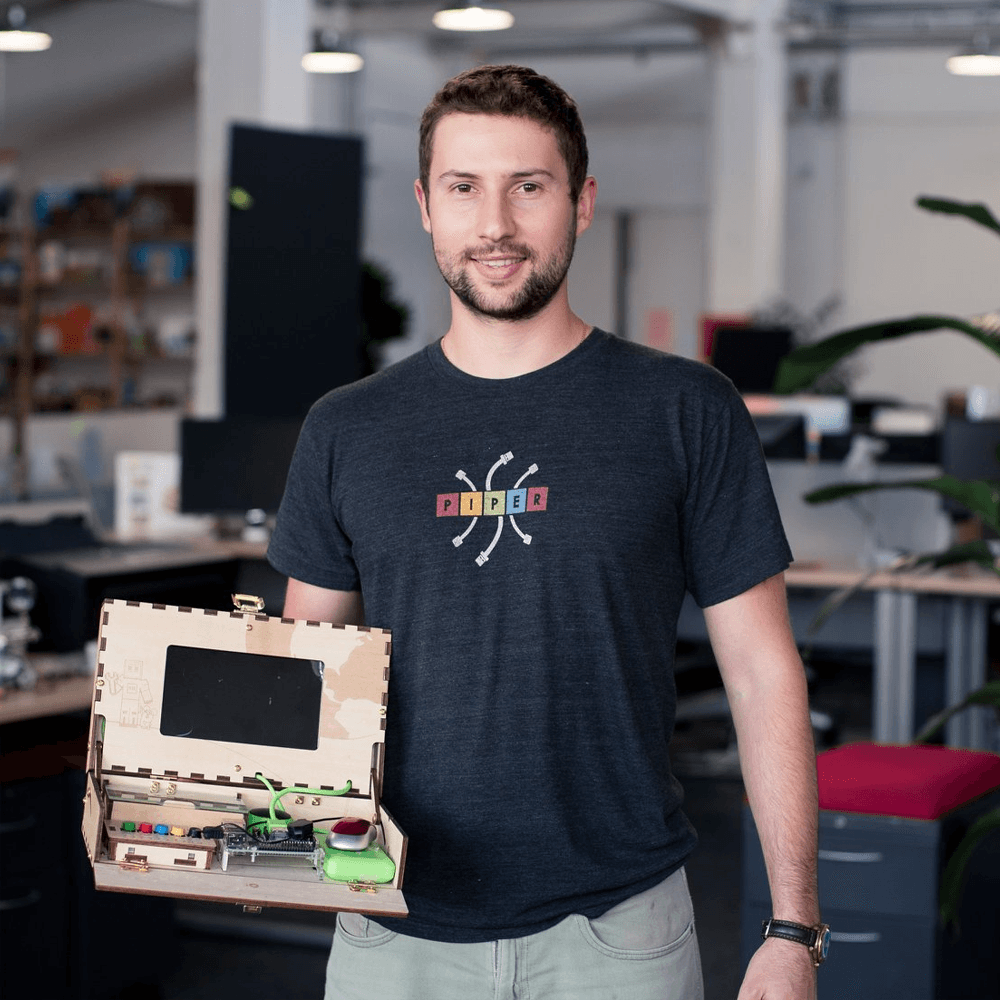
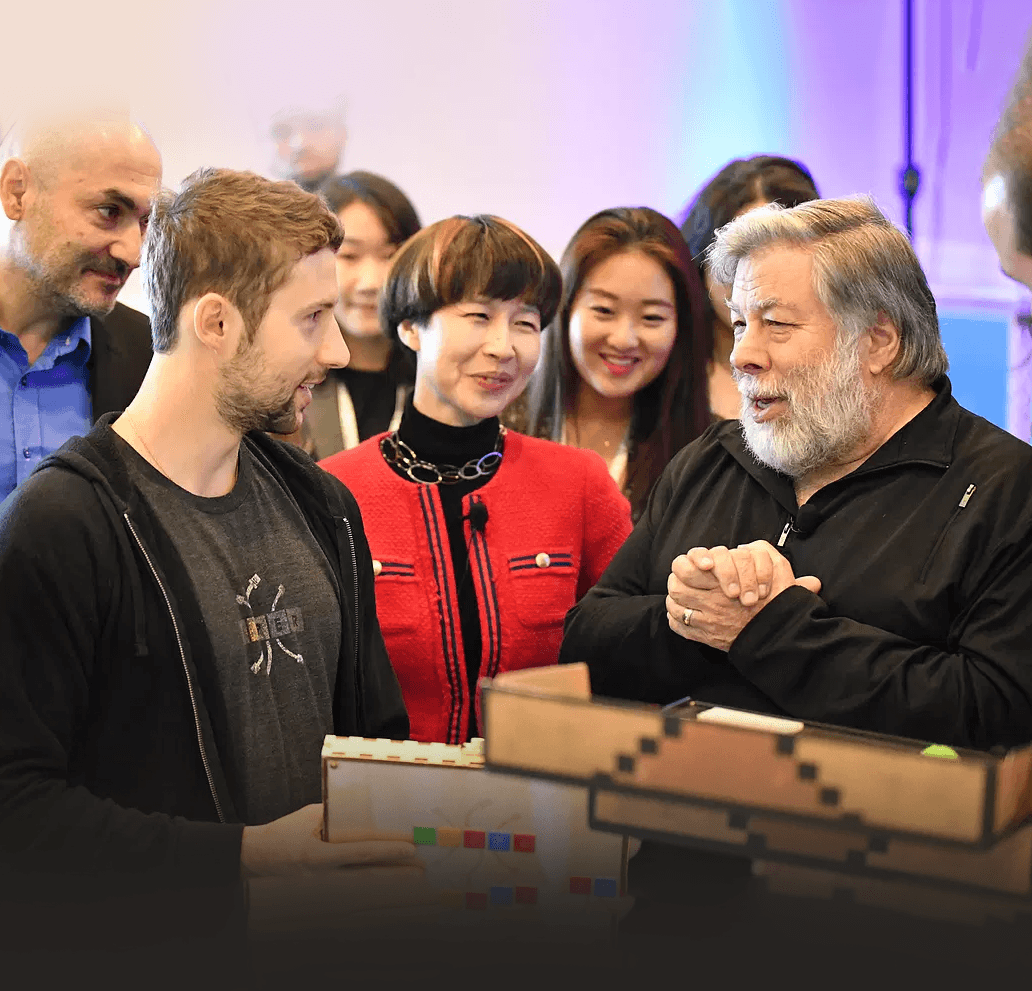
PiCreate evolved into Piper, a DIY computer kit that teaches kids to build and code. Raising $15 million for a wooden computer was an unlikely bet. Building a 25-person team to ship it was another. 100,000 units went out across 70+ countries because we believed we were changing kids’ lives, and we were.
Videos
Learn With Mochi
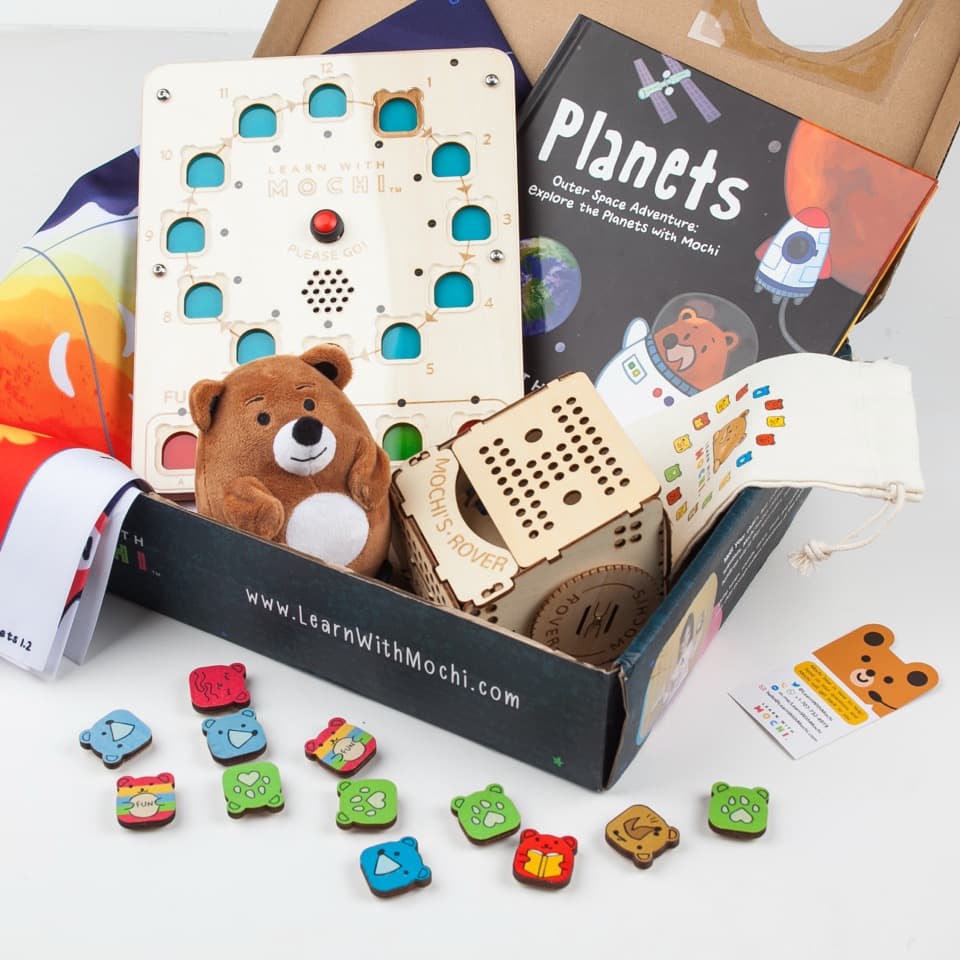
Piper showed me the limits of screens. Younger kids need tactile before digital. After exiting Piper, I co-founded Learn With Mochi: a wooden board, coding tiles, and a friendly bear that teaches kids as young as three to think in sequences. 20,000 units shipped across six continents, Forbes Top STEM Toys, multiple industry awards.
NZVC
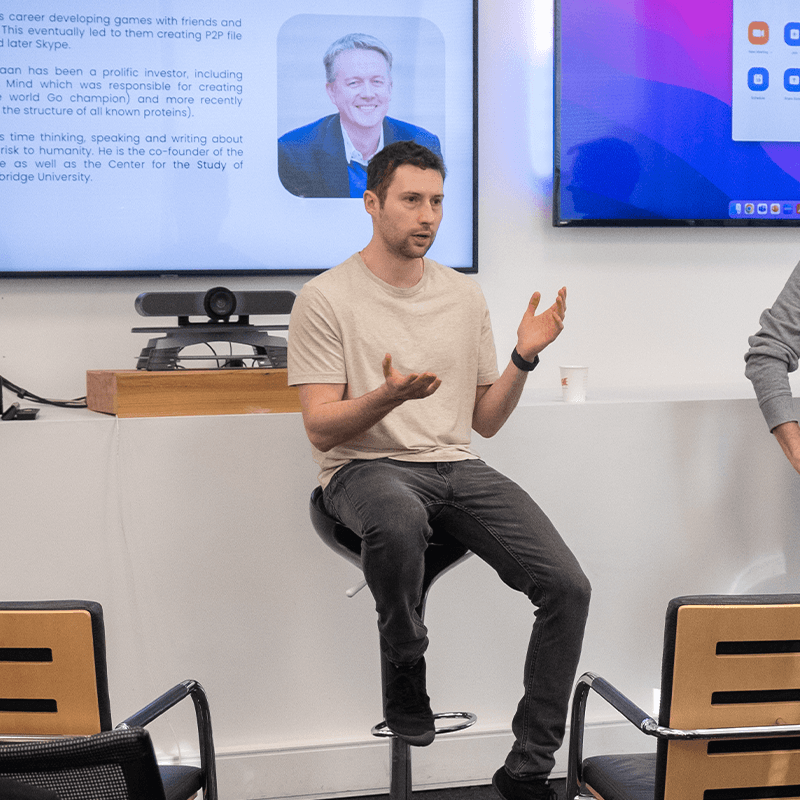
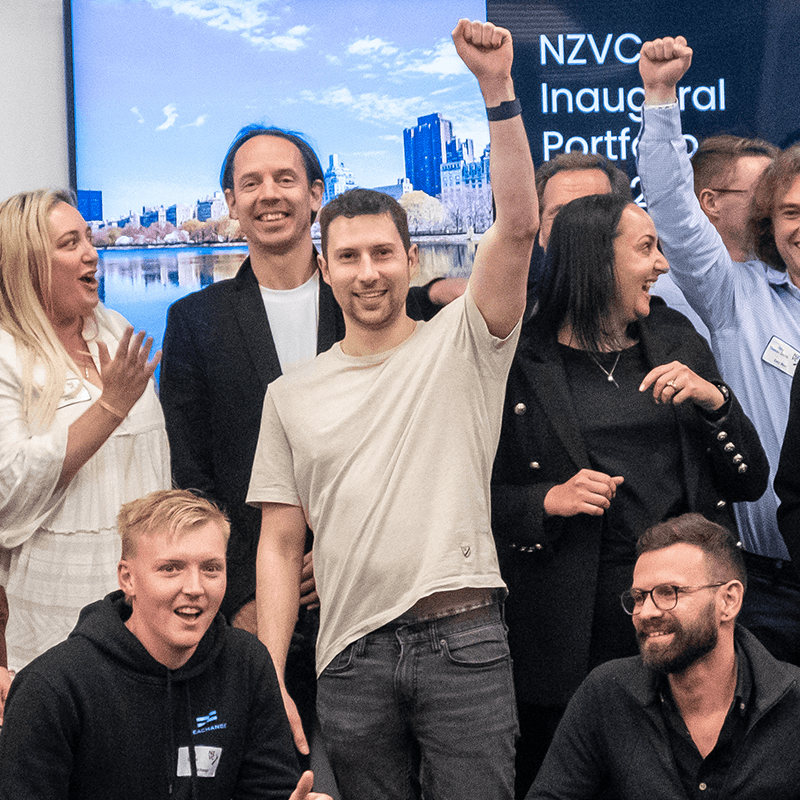
I arrived in New Zealand on an Edmund Hillary Fellowship, one day before the borders closed in 2020. The ecosystem was full of talented founders but missing operators who had built and shipped. I co-founded NZVC, New Zealand’s first operator-run venture fund. You can recognize entrepreneur DNA because you have it: resourcefulness over credentials, speed of iteration, obsession with the problem. Fund I ranked in the top 5% globally.
Founders here build companies as good as any I saw in San Francisco, with less money and fewer introductions. I find them before they have traction, write the first institutional check, and connect them to the investors and operators I know in the US. When a company is ready for American customers and investors, I help it make the move.
Early Research



The curiosity that started in a lab never went away. My latest exploration, The Half-Life of History, measures how quickly humanity forgets its own past.